The Enduring Elegance of Traditional End Tables
The Enduring Elegance of Traditional End Tables

In the realm of interior design, end tables stand as silent sentinels, flanking sofas and armchairs, offering a touch of practicality and aesthetic appeal. While contemporary styles often dominate modern homes, traditional end tables continue to hold a special place in the hearts of design enthusiasts, radiating timeless charm and enduring elegance.
A Legacy of Craftsmanship and Design:
Traditional end tables, often crafted from solid wood like mahogany, oak, or cherry, embody a rich history of craftsmanship and artistry. Their origins can be traced back to the 18th and 19th centuries, where they were integral parts of grand estates and stately homes. The meticulous attention to detail, intricate carvings, and elegant proportions speak volumes about the skill and dedication of the artisans who created them.
Defining Characteristics of Traditional End Tables:

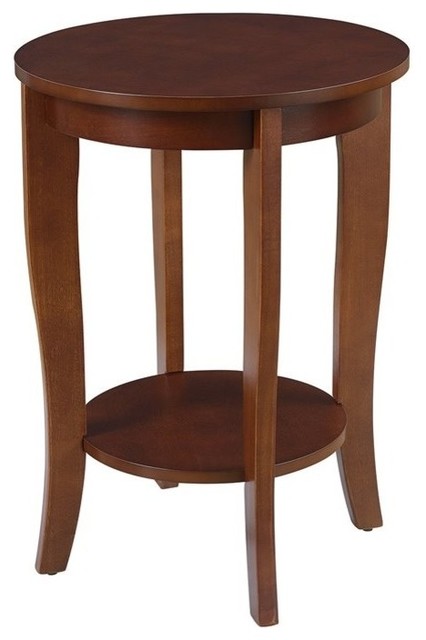
- Classic Shapes: Traditional end tables typically feature classic shapes like round, square, or rectangular, often with a pedestal base or turned legs. These timeless forms create a sense of balance and harmony within the room.
- Intricate Details: Ornate carvings, decorative moldings, and hand-painted finishes are hallmarks of traditional end tables. These details add depth and texture, transforming them into miniature works of art.
- High-Quality Materials: Solid wood, often with a rich patina developed over time, is the preferred material for traditional end tables. The use of high-quality materials ensures durability and longevity, making them treasured family heirlooms.
- Timeless Elegance: Traditional end tables exude a timeless elegance that transcends fleeting trends. Their classic designs and enduring quality ensure they remain relevant and stylish for generations to come.

Styles and Influences:
Traditional end tables encompass a wide range of styles, each reflecting a specific historical period or design influence. Some of the most prominent styles include:
- Queen Anne: Characterized by cabriole legs with a graceful curve, often ending in a ball-and-claw foot. Queen Anne end tables typically feature a simple, elegant design with minimal ornamentation.
- Chippendale: Known for their intricate carvings, often inspired by Chinese motifs. Chippendale end tables often feature elaborate fretwork, cabriole legs, and a distinctive "broken pediment" top.
- Georgian: Defined by their symmetrical proportions and simple, elegant lines. Georgian end tables often feature fluted legs, a rectangular top, and a refined, understated aesthetic.
- Victorian: Embracing ornate details and elaborate carvings. Victorian end tables often feature heavy, turned legs, intricate floral motifs, and a sense of grandeur.
Beyond Aesthetics: Function and Versatility:
Traditional end tables are not merely decorative pieces; they serve a practical purpose as well. Their sturdy construction and generous surfaces provide ample space for lamps, books, and other essentials. Their presence adds a touch of sophistication and warmth to any living space.

Integrating Traditional End Tables into Modern Homes:
While traditional end tables are often associated with classic interiors, they can seamlessly integrate into modern homes as well. Their timeless elegance provides a counterpoint to contemporary furnishings, creating a balanced and sophisticated aesthetic.
- Pairing with Modern Furniture: The juxtaposition of traditional end tables with modern sofas, armchairs, or coffee tables creates a visually interesting and dynamic space.
- Using Color and Texture: The use of bold colors or contrasting textures can further enhance the interplay between traditional and modern elements.

- Accessorizing with Contemporary Touches: Adding modern accessories like lamps, vases, or sculptures can infuse a traditional end table with a contemporary feel.
Restoring and Preserving Traditional End Tables:
Traditional end tables, especially those passed down through generations, often require restoration and preservation. This process involves:
- Cleaning and Polishing: Removing dust, dirt, and grime to reveal the natural beauty of the wood.
- Repairing Damage: Addressing any cracks, scratches, or other imperfections.
- Refinishing: Applying new coats of varnish or paint to protect the wood and enhance its appearance.
Conclusion:
Traditional end tables are more than just furniture; they are testaments to the enduring power of craftsmanship, design, and timeless elegance. Their presence adds a touch of sophistication and warmth to any living space, making them cherished pieces that can be enjoyed for generations to come. Whether integrated into a classic or modern setting, traditional end tables continue to hold a special place in the world of interior design, reminding us of the enduring beauty of the past and the timeless appeal of well-crafted objects.
Also read: Kacamata Korea Style
Posting Komentar untuk "The Enduring Elegance of Traditional End Tables"